Home improvement stores like Home Depot and Lowe’s see millions of customers each year, creating countless opportunities for accidents to occur on their premises. From heavy merchandise falling on shoppers to employees accidentally dropping power tools, these retail giants face unique liability challenges that extend far beyond typical slip and fall incidents. When accidents happen in these environments, determining liability involves complex legal principles that require careful examination of the circumstances surrounding each incident.
The experienced personal injury attorneys at McPherson & Thomas, P.A. understand the intricacies of premises liability law in Florida. With Ian Thomas and Jack McPherson leading the firm’s efforts to help injured customers seek compensation, our team has successfully handled cases involving major home improvement retailers throughout the Tampa Bay area. We know how these companies defend their cases and what evidence is crucial to building a strong claim.
Understanding Premises Liability in Home Improvement Stores
Home improvement stores owe customers a duty of care under Florida’s premises liability laws. This legal obligation requires store owners to maintain reasonably safe conditions and warn customers of known hazards. However, not every accident that occurs on store property automatically results in liability for the retailer.
To establish liability against a home improvement store, injured customers must prove the store knew or should have known about a dangerous condition and failed to address it within a reasonable timeframe. Florida’s comparative negligence system, now known as modified contributory negligence, means that even if you contributed to the accident, you may still recover damages if the store bears primary responsibility.
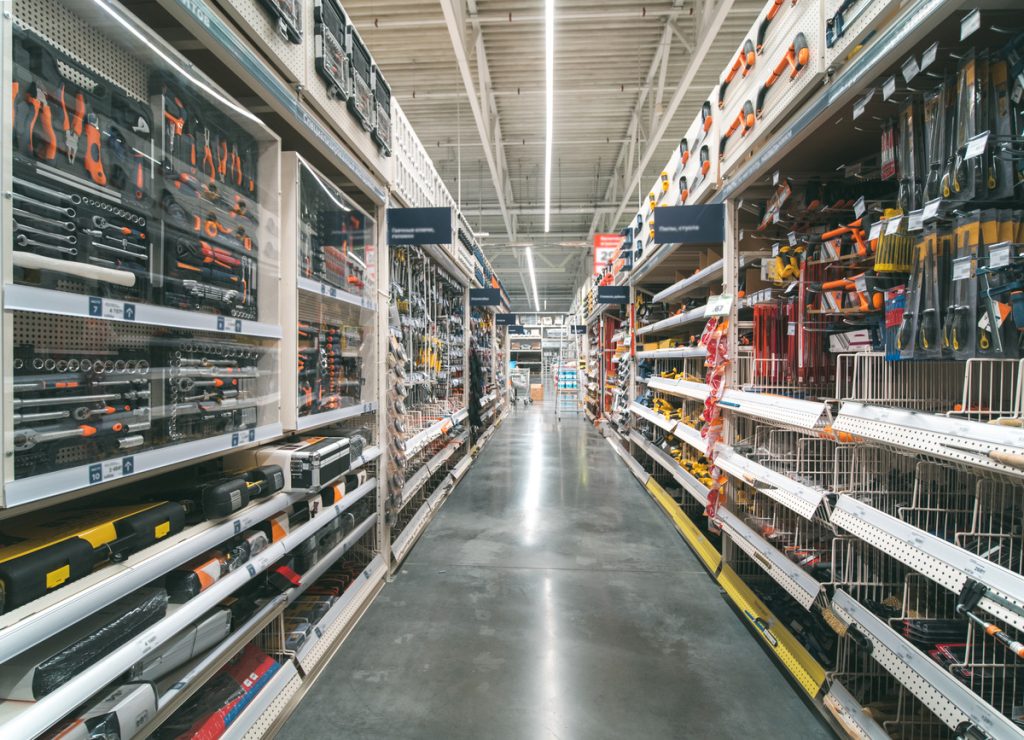
The nature of home improvement stores presents unique hazards that distinguish them from typical retail environments. Heavy machinery, power tools, building materials stacked high on shelves, and forklifts moving merchandise create an environment where serious accidents can occur. These stores must implement proper safety protocols, maintain adequate staffing levels, and ensure employees receive proper training in safety procedures.
Common Types of Home Improvement Store Accidents
A trip to your local home improvement store can result in a variety of accidents, including:
Falling Merchandise and Equipment
One of the most serious types of accidents involves heavy items falling on customers. This can include everything from power tools to lumber and appliances. Stores have a responsibility to properly secure merchandise and inspect shelving systems regularly. When employees are handling equipment above customer areas, they must exercise extreme caution to prevent items from falling.
Employee Negligence Incidents
Sometimes accidents result from employee actions rather than store conditions. For example, an employee operating a forklift negligently or dropping equipment while assisting customers can cause significant injuries. In these situations, the store may be liable under the legal principle of respondeat superior, which holds employers responsible for their employees’ actions during the course of their employment.
Slip and Fall Accidents
Traditional slip and fall accidents remain common in home improvement stores. Spilled liquids, sawdust, or debris in aisles can create hazardous conditions. The Florida Supreme Court’s decision regarding transitory foreign substances requires stores to have actual or constructive knowledge of the hazard and a reasonable opportunity to address it.
Challenges in Home Improvement Store Cases
Pursuing compensation from major home improvement retailers presents unique challenges. These companies typically have extensive legal teams and insurance coverage specifically designed to defend against premises liability claims. They often argue that customers assumed the risk by entering areas where construction materials and tools are present.
Documentation becomes crucial in these cases. Store surveillance footage, incident reports, employee witness statements, and maintenance records can all play vital roles in establishing liability. Many stores have policies requiring immediate documentation of accidents, but they may not always preserve evidence favorable to injured customers.
Florida’s two-year statute of limitations applies to premises liability cases, making it essential to act quickly after an accident. Waiting too long to pursue legal action can result in the loss of your right to seek compensation, regardless of how strong your case might be.
Maximizing Your Compensation
Injuries sustained in home improvement store accidents can be severe, particularly when heavy equipment or merchandise is involved. Victims may face extensive medical bills, lost wages, and long-term disabilities that affect their ability to work and enjoy life. Understanding the full scope of your damages ensures you seek appropriate compensation.
Economic damages include medical expenses, lost income, and future medical costs. Non-economic damages compensate for pain and suffering, emotional distress, and reduced quality of life. In cases involving particularly egregious conduct, punitive damages may also be available under Florida law.
Contact McPherson & Thomas, P.A. for Expert Legal Representation
If you’ve been injured in an accident at a home improvement store, the legal team at McPherson & Thomas, P.A. is here to help. Our attorneys Ian Thomas and Jack McPherson, along with the guidance of well-known attorney Scott McPherson, bring decades of combined experience handling premises liability cases against major retailers. We understand how these companies operate and what strategies they use to minimize their liability.
Don’t let a home improvement store accident derail your life without fighting for the compensation you deserve. Our firm offers a 60-day guarantee and never charges a fee unless we win your case, giving you peace of mind as you focus on recovery. Contact us today at (727) 848-8892 or through our online contact form to schedule your free consultation.