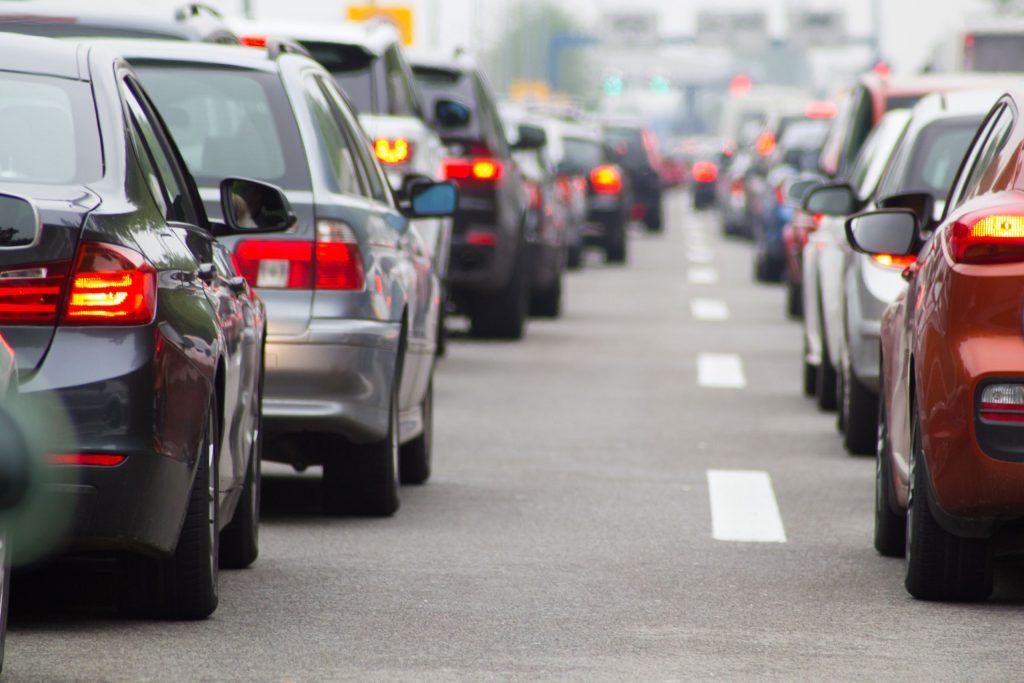
When an evacuation order sends thousands of Pasco County residents onto the road at the same time, familiar routes like US 19 and the Suncoast Parkway can quickly become congested. Drivers may be dealing with heavier-than-usual traffic or navigating routes they do not normally take, all while trying to reach a safe place before conditions worsen. If a crash happens in the middle of that rush, figuring out who was responsible can be less straightforward than on an ordinary day.
The basic rules of liability, however, do not change because an evacuation is underway. At McPherson & Thomas, P.A., we handle automobile accident cases throughout Pasco County and examine what each driver was doing at the time of the collision. Evacuation traffic and changing road conditions can add context to the investigation, but drivers still have a responsibility to operate their vehicles safely.
Why Hurricane Evacuations Create Dangerous Driving Conditions
Evacuation traffic puts far more vehicles on the road than drivers are accustomed to seeing at one time. Routes can become congested quickly as people leave within the same limited window, altering traffic flow and leaving less room for drivers to respond when something goes wrong. A 2021 study analyzing crash data from Hurricane Irma’s evacuation found that the odds of a crash increased during the evacuation period even after researchers accounted for typical traffic patterns.
Long delays can also affect the decisions people make behind the wheel. A driver worried about getting out ahead of the storm may follow another vehicle too closely or make a sudden lane change to get around slower traffic. Others may be tired after hours on the road or navigating an unfamiliar route because their usual way out is unavailable. In already crowded traffic, those decisions can leave very little margin for error.
How Fault Gets Determined in an Evacuation Crash
Florida still applies its standard negligence rules to a crash during a hurricane evacuation. The driver who acted carelessly, through speeding, following too closely, or an unsafe lane change, may be held responsible the same as on any other day. What changes is the difficulty of proving what happened, because evacuation traffic often means more vehicles involved and evidence that is harder to preserve once the storm hits.
Florida also follows a modified comparative negligence system, so more than one driver may share responsibility for a single wreck. Your compensation may be reduced by your percentage of fault, but you can still recover damages as long as you are not more than 50 percent responsible. Police reports may be delayed during storm response, so an early call to an automobile accident attorney helps preserve any available evidence.
Common Causes of Crashes During Storm Evacuations
Heavy traffic and long hours on the road can create situations drivers may not encounter during a normal trip. Some of the crashes that can happen during an evacuation include:
- Rear-end collisions when traffic slows or stops unexpectedly
- Sideswipe crashes during lane changes in congested traffic
- Fatigue-related accidents after spending hours behind the wheel
- Collisions involving vehicles towing trailers or carrying additional cargo
- Accidents around crowded gas stations, rest stops, and highway exits
The circumstances may be unusual, but drivers are still expected to adjust to the surrounding traffic. Following too closely in evacuation traffic, for example, can raise the same questions of fault that arise in other rear-end collisions. The surrounding conditions provide context, but they do not automatically excuse unsafe driving.
What to Do After an Evacuation-Related Accident
If you are involved in a crash while evacuating, the same basic steps apply as any other accident. Seeking medical attention remains the priority, even if adrenaline is masking your pain, because some injuries do not show symptoms right away. Documenting the scene with photos and getting witness contact details can strengthen a future claim.
You should also be cautious about giving a recorded statement to an insurance adjuster in the days following an evacuation crash. Statements given while you are still displaced can be used against you later, so it helps to talk with someone before you speak with the insurance company.
McPherson & Thomas, P.A. Is Ready to Help After Your Pasco County Accident
McPherson & Thomas, P.A. has served the New Port Richey area for years, giving Ian Thomas and Jack McPherson firsthand familiarity with the roads Pasco County residents rely on when a storm approaches. If you are injured during an evacuation, our team can review what happened and help you understand how Florida’s liability rules apply to your crash.
We handle personal injury cases on a contingency basis, so there is no attorney fee unless we recover compensation for you. We also offer a 60-day guarantee that allows you to change attorneys within the first 60 days without a lien from our firm if you decide we are not the right fit. If you were hurt in an evacuation-related crash, use our contact form to tell us what happened and discuss your next steps.