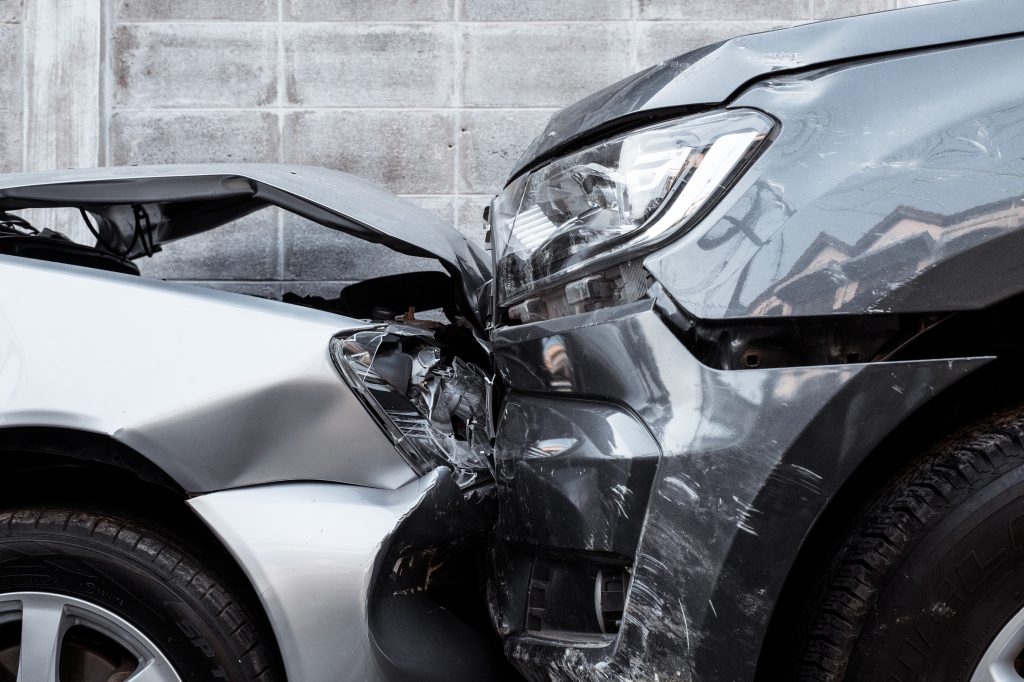
Snowbirds who spend winters in Florida face unique challenges after car accidents, including questions about insurance coverage, residency requirements, and legal jurisdiction. Whether you maintain a permanent residence up north or spend several months each year in the Tampa Bay Area, understanding your rights following a collision can protect your ability to recover fair compensation. The confusion surrounding multi-state insurance policies and Florida’s specific accident laws often leaves seasonal residents uncertain about their next steps.
At McPherson & Thomas, P.A., Ian Thomas and Jack McPherson help snowbirds navigate the complexities of Florida personal injury law. With Scott McPherson’s background as a former paramedic-firefighter and decades of combined experience handling automobile accidents, we understand the specific concerns seasonal residents face when injured far from their primary homes.
How Florida’s No-Fault Insurance System Affects Snowbirds
Florida operates under a no-fault insurance system requiring all drivers to carry Personal Injury Protection coverage. This PIP coverage pays up to $10,000 in medical expenses and lost wages regardless of who caused the accident. Snowbirds must understand whether their out-of-state insurance policies provide adequate Florida PIP coverage or if they need separate Florida policies for vehicles registered here.
Many seasonal residents mistakenly believe their home state insurance automatically covers them in Florida. While most policies provide coverage across state lines, the specific benefits may differ significantly from Florida’s requirements. Your northern insurance policy might not include PIP coverage since many states don’t mandate it, leaving gaps in protection after a Florida accident.
If you rent or lease a vehicle in Florida for the season, the rental company’s insurance typically provides required coverage. However, these policies often carry high deductibles and limited liability protection. Reviewing your coverage options before winter arrival prevents discovering inadequate protection after an accident occurs.
Establishing Legal Residency for Accident Claims
Florida law doesn’t require permanent residency to file a personal injury claim after a car accident. Seasonal residents injured while legally present in Florida have the same rights to pursue compensation as permanent residents. The accident’s location, not your residency status, determines which state’s laws apply to your claim.
Courts consider several factors when determining if Florida jurisdiction applies to your case. Where the accident occurred carries the most weight, followed by where the defendant resides and where you received medical treatment. Most snowbird accidents fall clearly under Florida jurisdiction since the collision, treatment, and often the at-fault driver all connect to the state.
Some seasonal residents worry about returning home before resolving their claims. Modern legal practice allows attorneys to handle most case aspects without requiring your constant Florida presence. Depositions can occur via video conference, medical records transfer electronically, and settlement negotiations proceed regardless of your location. Jack McPherson and Ian Thomas maintain regular communication with clients who return north while cases continue.
Insurance Coverage Complications for Multi-State Residents
Snowbirds often maintain vehicle registrations in their home states while driving extensively in Florida. This arrangement can create coverage disputes when accidents occur. Insurance companies may argue your policy doesn’t apply since you spend significant time outside your registered state, or they might claim Florida coverage requirements weren’t met.
Uninsured motorist coverage becomes particularly important for snowbirds. Florida doesn’t require UM coverage, but your home state policy may include it. This coverage protects you when hit by drivers lacking adequate insurance, a common occurrence on Florida roads. Understanding which policy provides UM benefits and at what limits requires careful policy review.
Stacking coverage allows combining limits from multiple vehicles on your policy, potentially increasing available compensation after serious accidents. Florida permits stacking under certain circumstances, but rules vary based on policy language and vehicle registration locations. According to research on insurance challenges, approximately collision victims face unexpected coverage gaps, making thorough policy understanding essential before accidents happen.
Common Accident Scenarios Involving Seasonal Residents
US 19 runs through the heart of Pasco County, creating one of Florida’s most dangerous corridors for traffic accidents. Snowbirds unfamiliar with this busy highway’s traffic patterns, numerous intersections, and frequent lane changes face elevated accident risks. Left-turn collisions at US 19 intersections cause many serious injuries as drivers misjudge gaps in fast-moving traffic.
Parking lot accidents at popular snowbird destinations like Publix, Walmart, and restaurants increase during winter months. The combination of crowded lots, drivers unfamiliar with locations, and elderly motorists with slower reaction times creates frequent fender-benders that can still cause significant injuries. These accidents often involve complex liability questions when both parties claim right-of-way.
Golf cart accidents represent another hazard unique to Florida’s retirement communities. Many snowbirds use golf carts as primary transportation within their developments, but accidents on public roads can result in catastrophic injuries. Understanding whether your golf cart qualifies as a low-speed vehicle under Florida law affects insurance coverage and liability issues.
Medical Treatment Decisions Away From Home
Seasonal residents injured in Florida accidents face difficult choices about where to seek ongoing treatment. Florida’s PIP coverage pays for treatment received anywhere, but practical considerations affect these decisions. Starting treatment in Florida establishes medical documentation connecting injuries directly to the accident, strengthening your claim.
Some snowbirds prefer returning home for treatment with established physicians who know their medical histories. While understandable, this choice can complicate claims. Insurance adjusters may argue treatment delays or gaps indicate injuries weren’t serious. Additionally, out-of-state providers unfamiliar with Florida’s PIP system may struggle with billing procedures.
Finding quality medical care in an unfamiliar area adds stress during recovery. We maintain relationships with reputable healthcare providers throughout the Tampa Bay Area who understand Florida’s insurance requirements and provide thorough documentation supporting injury claims. These connections help snowbirds access appropriate care without navigating unfamiliar medical systems alone.
Time Limitations for Filing Injury Claims
Florida provides injured parties with two years from the accident date to file personal injury lawsuits. This statute of limitations applies regardless of your residency status or whether you remain in Florida. Many snowbirds make the mistake of assuming they can address legal matters after returning home for summer, but delays allow evidence to disappear and memories to fade.
Starting your claim before leaving Florida for the season provides several advantages. Accident scenes remain accessible for investigation, witnesses stay available for statements, and surveillance footage hasn’t been overwritten. Early case development also demonstrates to insurance companies that you’re serious about pursuing fair compensation.
The statute of limitations clock begins ticking the day your accident occurs, not when you discover the full extent of injuries or return to Florida the following winter. Missing this deadline typically bars recovery regardless of case strength or injury severity. Consulting with an attorney shortly after your accident protects your rights and ensures compliance with all procedural deadlines.
Modified Contributory Negligence and Snowbird Accidents
Florida recently changed from pure comparative negligence to modified contributory negligence, creating new challenges for accident victims. Under current law, if you bear more than 50% responsibility for the accident, you cannot recover any compensation. Insurance companies aggressively investigate accidents to shift maximum blame onto injury victims.
Snowbirds may face particular vulnerability to comparative fault arguments. Adjusters might claim unfamiliarity with Florida roads contributed to the accident, or that confusion about traffic patterns demonstrated negligence. Rental car companies sometimes argue their customers’ out-of-state driving habits caused collisions. These defenses aim to either bar recovery entirely or reduce compensation by attributing partial fault.
Strong evidence collection immediately after accidents counters these strategies. Police reports, witness statements, traffic camera footage, and accident reconstruction analysis establish fault accurately. The firm works with investigators and experts who analyze accident scenes thoroughly, building cases that demonstrate the other driver’s primary responsibility for causing your injuries.
Contact McPherson & Thomas, P.A.
If you’re a snowbird injured in a car accident while spending winter in Florida, Ian Thomas and Jack McPherson provide the dedicated legal representation you need. Our New Port Richey office serves seasonal residents throughout the Tampa Bay Area with the same personalized attention we give permanent residents. We understand the unique challenges you face being away from home and work to resolve your claim efficiently while you focus on recovery.Don’t let confusion about residency or insurance coverage prevent you from pursuing the compensation you deserve. Contact us today for a free consultation to discuss your accident and learn how we protect snowbirds’ rights under Florida law.