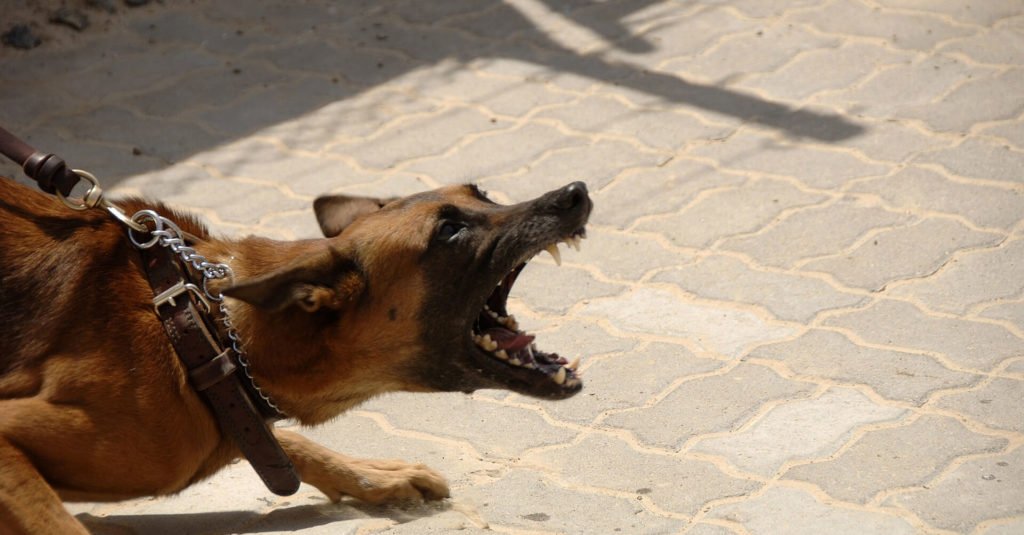
Dog bites happen without warning — at a neighbor’s house, on a walk, in a store parking lot. When they do, victims are often left facing serious injuries, mounting medical bills, and confusion about whether they have any legal recourse. Florida law is clear: dog owners bear significant responsibility when their animals injure someone, and understanding that law can make all the difference in whether you recover fair compensation.
At McPherson & Thomas, P.A., we have handled dog bite cases across Pasco County and the New Port Richey area for years. Below is a straightforward breakdown of how Florida’s dog bite statute works, when an owner is liable, and what defenses may be available to them.
Florida Is a Strict Liability State for Dog Bites
Unlike some states that require a victim to prove an owner knew their dog was dangerous, Florida follows a strict liability standard under Florida Statute §767.04. This means a dog owner can be held liable for a bite even if the dog had never shown any aggression before and even if the owner had no reason to believe the animal posed a risk.
The statute applies when the victim was bitten while in a public place, or while lawfully on private property — including the dog owner’s own property. This covers customers at a business, guests invited to a home, delivery drivers, and anyone else present with a legal right to be there.
The Role of Comparative Fault
Strict liability does not mean automatic full recovery in every case. Florida’s modified comparative fault law applies to dog bite claims, which means the owner’s financial responsibility can be reduced — or eliminated — if the victim’s own actions contributed to the bite.
Common examples include provoking the dog, ignoring obvious warning signs, or attempting to handle an unfamiliar animal despite the owner’s warnings. If a court finds the victim was partially at fault, damages are reduced by that percentage. If the victim is found more than 50% responsible, recovery may be barred entirely. How fault is allocated often becomes the central dispute in these cases, which is why having an attorney document the circumstances early matters.
When a “Bad Dog” Sign Can Shield the Owner
Florida Statute §767.04 contains a specific defense that catches many people off guard. If a property owner has posted a sign that is clearly visible and includes the words “Bad Dog,” they may be shielded from liability for a bite that occurs on their premises.
However, this defense has two important exceptions. First, it does not protect the owner if the bite victim was under six years old — children that young cannot be expected to read or understand the warning. Second, the sign provides no protection if the bite resulted from the owner’s own active negligence — for example, if the sign was on a fence but the owner’s carelessness allowed the dog to get out.
A “Bad Dog” sign is not a blanket escape from liability. It is a defense that only works in specific circumstances, and even then it can be overcome if the owner’s own conduct played a role in what happened.
Dog-on-Dog Bites: A Different Standard
A common question we receive: what if a dog bites another dog, not a person? The short answer is that §767.04 does not apply. The statute explicitly limits strict liability to damages suffered by “persons” who are bitten. Since another dog is not a person under the law, the owner of the bitten dog cannot use the strict liability statute as the basis for a claim.
That does not mean there is no recourse at all. A claim could still be pursued under a general negligence theory — arguing the owner failed to control their animal properly. But the automatic strict liability that applies to human victims does not extend to injuries involving other animals.
Florida’s Dog Bite Problem Is Growing
The scale of dog bite injuries in Florida makes these cases anything but rare. According to the Insurance Information Institute, Florida ranked second nationally in dog bite insurance claims in 2025 with more than 2,000 claims filed, behind only California. Nationally, insurers paid out nearly $1.86 billion in dog-related injury claims that year — a nearly 97% increase in average claim cost over the past decade, driven by rising medical expenses and larger verdicts and settlements. Children account for more than half of all dog bite victims in Florida, with those between ages five and nine at the highest risk.
These numbers reflect what we see in practice: dog bites frequently cause significant injuries, not minor ones. Lacerations, nerve damage, fractured bones, facial scarring, and psychological trauma — including PTSD — are all documented outcomes of serious attacks. The financial consequences extend well beyond the immediate emergency room visit.
What Damages Can You Recover After a Dog Bite in Florida?
If liability is established, a dog bite victim in Florida may be entitled to recover:
- Medical expenses — emergency treatment, hospitalization, surgery, reconstructive procedures, and ongoing care
- Lost wages — income lost during recovery, and future earning capacity if the injuries have long-term effects
- Pain and suffering — physical pain and emotional distress resulting from the attack and its aftermath
- Scarring and disfigurement — Florida law recognizes these as compensable damages, particularly relevant in facial injury cases
- Psychological trauma — anxiety, fear, and PTSD are recoverable when documented by a mental health professional
The value of a dog bite claim depends heavily on the severity of the injuries, the clarity of liability, and the insurance coverage available to the dog owner. Homeowners and renters policies typically include dog bite liability coverage, usually between $100,000 and $300,000 — though owners of certain breeds may face exclusions depending on their insurer.
Steps to Take After a Dog Bite in Florida
What you do in the days immediately following a dog bite can significantly affect your claim. Seek medical care right away, even if the bite appears minor — infections and deeper tissue damage are not always visible at first. Report the incident to animal control so there is an official record. Document everything you can: photographs of the injuries, the location, and the dog itself if possible. Get the owner’s information and, if there were any witnesses, their contact details as well.
One thing to avoid: do not give a recorded statement to the dog owner’s insurance company before speaking with an attorney. Adjusters are trained to minimize claims, and early statements — even seemingly innocent ones — can be used against you later.
Contact McPherson & Thomas, P.A. About Your Dog Bite Claim
McPherson & Thomas, P.A. has been representing personal injury victims in New Port Richey and throughout Pasco County for decades. Ian Thomas and Jack McPherson bring hands-on courtroom experience to every case, and we handle dog bite claims on a contingency fee basis — meaning there are no upfront costs and no fees unless we recover compensation for you. Florida’s statute of limitations for personal injury claims is two years from the date of the injury, so it is important to act promptly.
If you or someone in your family has been bitten or injured by a dog in the New Port Richey area, contact our office today for a free consultation.